
The process of evaluating the viability of a proposed technology or solution is a critical step in any project, from software development to infrastructure upgrades. A well-structured Technical Feasibility Report Template provides a clear and objective framework for assessing whether a particular technology can be successfully implemented, minimizing risks and maximizing the chances of success. This template is designed to streamline the assessment process, ensuring that all relevant factors are considered and documented. It's more than just a document; it's a tool for informed decision-making. Technical Feasibility Report Template is essential for securing funding, managing expectations, and ultimately delivering a successful project. This article will delve into the key components of a robust template, offering practical guidance and best practices.
The initial stages of a project often involve identifying potential technologies that could address the core business needs. A thorough technical feasibility assessment is paramount before committing significant resources to a particular solution. It's about understanding if it's possible, not just if it's desirable. A poorly executed feasibility study can lead to costly delays, rework, and ultimately, project failure. Therefore, investing time and effort into creating a comprehensive template is a wise investment. This template acts as a central hub for all technical considerations, ensuring everyone involved – developers, architects, project managers, and stakeholders – is aligned on the project's technical landscape. It's a living document, adaptable to evolving requirements and technological advancements.
1. Project Overview and Scope
The foundation of any successful Technical Feasibility Report Template lies in a clear and concise project overview. This section establishes the context for the assessment, outlining the project's goals, objectives, and overall scope. It's crucial to define precisely what the project aims to achieve and what limitations exist. Without a solid understanding of the project's purpose, the subsequent technical analysis will be significantly hampered. Specifically, this section should detail the problem being addressed, the proposed solution, and the anticipated benefits. A well-defined scope helps to prevent scope creep, a common pitfall in project management. It's vital to clearly articulate what is and is not included within the project's boundaries. Furthermore, documenting the key stakeholders involved – their roles and responsibilities – is essential for effective communication and coordination.
2. Technology Assessment – Core Components
This section focuses on a detailed examination of the core technologies that could be utilized. It's where the technical expertise of the team is brought to bear. We'll explore various options, evaluating their suitability based on factors such as performance, scalability, security, and cost. A critical element is identifying potential integration challenges with existing systems. The assessment should consider the technology's compatibility with existing infrastructure, databases, and applications. For example, if the project relies heavily on a legacy system, the feasibility of migrating to a new technology might be significantly impacted. A thorough analysis of the technology's limitations – known or potential – is also crucial. This includes understanding its performance characteristics under various load conditions, its potential for future upgrades, and its susceptibility to security vulnerabilities. The template encourages a systematic approach, breaking down the technology assessment into manageable components.
3. Infrastructure Requirements
The technical feasibility report must also address the infrastructure requirements necessary to support the proposed solution. This includes considerations such as hardware, software, network bandwidth, and cloud resources. A detailed assessment of the existing infrastructure – its capacity, limitations, and potential for expansion – is essential. If the project requires a significant increase in computing power or storage, the feasibility of scaling the infrastructure needs to be carefully evaluated. The template prompts consideration of potential bottlenecks and how they might impact performance. For example, a large-scale data processing application might necessitate a robust and scalable cloud infrastructure. Furthermore, the assessment should consider the availability of skilled personnel to manage and maintain the infrastructure. Lack of skilled personnel can significantly increase the risk of project failure. The template facilitates a structured approach to identifying and evaluating infrastructure needs.

4. Data Management and Security
Data is often the lifeblood of any successful project. The feasibility report must address how data will be managed, stored, and secured. This includes considerations such as data privacy regulations (e.g., GDPR, CCPA), data encryption, and access control. The template encourages a discussion about data governance policies and procedures. It's important to assess the security risks associated with the chosen technology and implement appropriate security measures to mitigate those risks. This might involve implementing firewalls, intrusion detection systems, and data loss prevention tools. The assessment should also consider the potential impact of data breaches on the project's reputation and legal liabilities. Furthermore, the template prompts consideration of data backup and recovery strategies. Robust data management and security practices are critical for maintaining data integrity and protecting sensitive information.

5. Integration Challenges and Dependencies
A significant hurdle to overcome is often the integration of the proposed technology with existing systems. The feasibility report must explicitly identify potential integration challenges and dependencies. This includes assessing the complexity of the integration process, the availability of APIs, and the potential for compatibility issues. The template encourages a detailed mapping of existing systems and their interfaces. It's important to consider the impact of integration on system performance and stability. Furthermore, the assessment should evaluate the potential for vendor lock-in. Choosing a technology that is difficult to integrate with existing systems can significantly increase the project's cost and complexity. The template facilitates a thorough analysis of integration dependencies and potential roadblocks.
6. Cost Analysis and Return on Investment (ROI)
A crucial component of the technical feasibility report is a detailed cost analysis. This section estimates the total cost of the project, including hardware, software, labor, and ongoing maintenance. It's important to consider both direct and indirect costs. The template prompts a breakdown of costs by category. Furthermore, it should include a preliminary estimate of the potential return on investment (ROI). This involves assessing the expected benefits of the project, such as increased efficiency, reduced costs, or new revenue streams. While a precise ROI calculation can be complex, the template encourages a realistic assessment of the potential financial benefits. It's vital to consider both short-term and long-term benefits. The template facilitates a structured approach to cost estimation and ROI analysis.
7. Risk Assessment and Mitigation
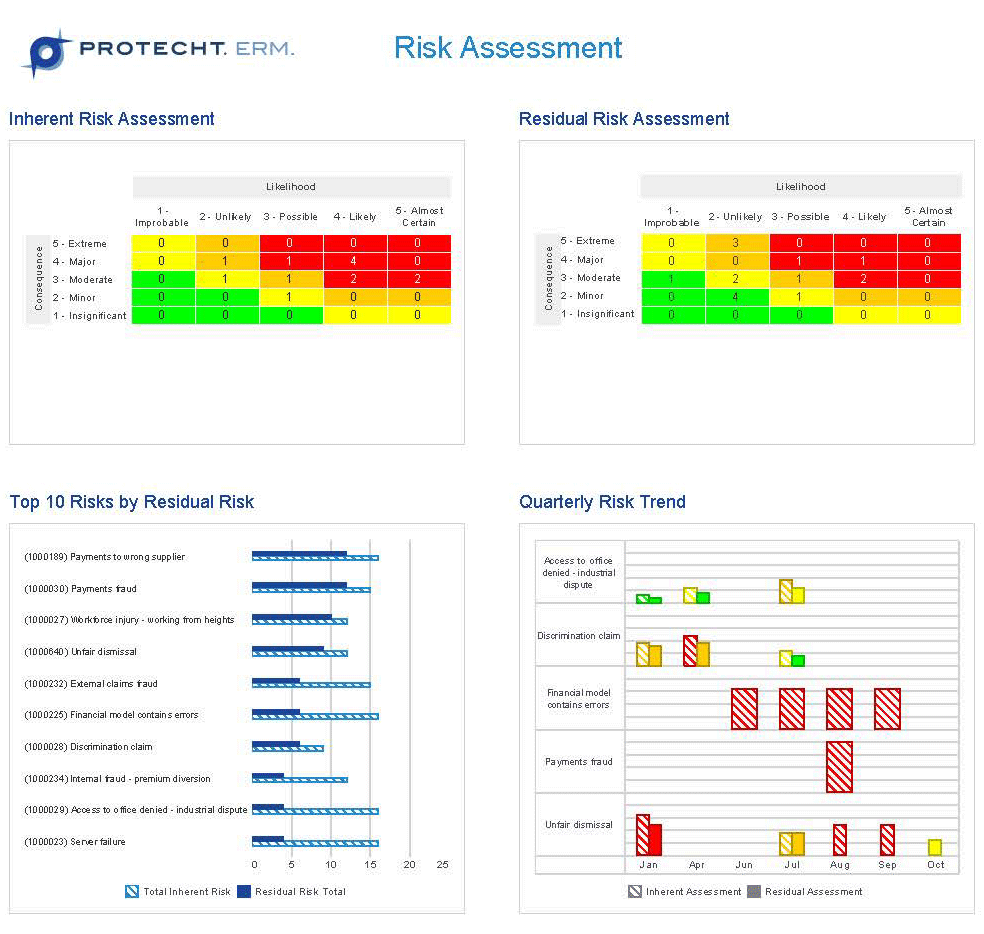
Technical feasibility reports are not just about identifying potential problems; they also involve assessing and mitigating risks. The template incorporates a risk assessment section, identifying potential risks associated with the chosen technology and outlining strategies for mitigating those risks. This might involve developing contingency plans, conducting pilot testing, or securing insurance. The template encourages a proactive approach to risk management. It's important to consider the likelihood and impact of each risk. The template prompts a discussion about potential mitigation strategies. For example, if a particular technology is known to be unreliable, the risk assessment should consider alternative solutions. Effective risk management is essential for minimizing the potential for project failure.
8. Conclusion and Recommendations
The conclusion of the Technical Feasibility Report Template serves as a summary of the assessment findings. It reiterates the key takeaways and provides recommendations for proceeding with the project. It's a final opportunity to solidify the understanding of the technical landscape and to clearly articulate the path forward. The conclusion should emphasize the importance of a phased approach, allowing for adjustments and refinements as the project progresses. It should also highlight the need for ongoing monitoring and evaluation to ensure the continued viability of the chosen technology. Ultimately, the template provides a roadmap for successful project implementation, minimizing risks and maximizing the chances of achieving the desired outcomes. A well-executed Technical Feasibility Report Template is an invaluable asset for any organization embarking on a significant technological undertaking.
9. Appendix (Optional)
This section can include supporting documentation, such as technical specifications, vendor evaluations, and risk assessment matrices. It provides additional detail for stakeholders who may require a deeper understanding of the technical considerations.
0 Response to "Technical Feasibility Report Template"
Posting Komentar