
The world of business, marketing, and even personal development is increasingly reliant on data-driven insights. One of the most powerful tools for gathering and analyzing this data is the recommendation report. A well-structured recommendation report provides a clear, concise, and actionable overview of key findings, enabling informed decision-making across various departments. This article will delve into the creation of a robust recommendation report template, exploring its essential components and best practices. Recommendation Report Template is more than just a document; it's a strategic tool for understanding trends, identifying opportunities, and ultimately, driving success. It's a foundational element for any organization seeking to leverage data effectively. Understanding the structure and content of a recommendation report is crucial for anyone tasked with presenting insights to stakeholders. Let's explore how to build one that truly delivers value.
Understanding the Purpose of a Recommendation Report
A recommendation report isn't simply a collection of numbers. It's a narrative that explains why certain recommendations are being made. It's about translating complex data into understandable insights. The primary goal is to provide a clear rationale behind proposed changes, actions, or strategies. Effective reporting goes beyond simply presenting data; it offers context, analysis, and a roadmap for implementation. Without a well-defined report, recommendations can be misinterpreted, leading to wasted resources and missed opportunities. A clear recommendation report ensures everyone involved understands the 'why' behind the 'what'.

The creation of a successful recommendation report often begins with a clear understanding of the business objectives. What are the key challenges or opportunities the organization is facing? What decisions need to be made? These foundational questions will guide the selection of data and the framing of the report's key messages. A strong recommendation report is a collaborative effort, requiring input from various departments – sales, marketing, product development, and operations, to ensure a holistic view. It's a process of synthesis, not just data aggregation.
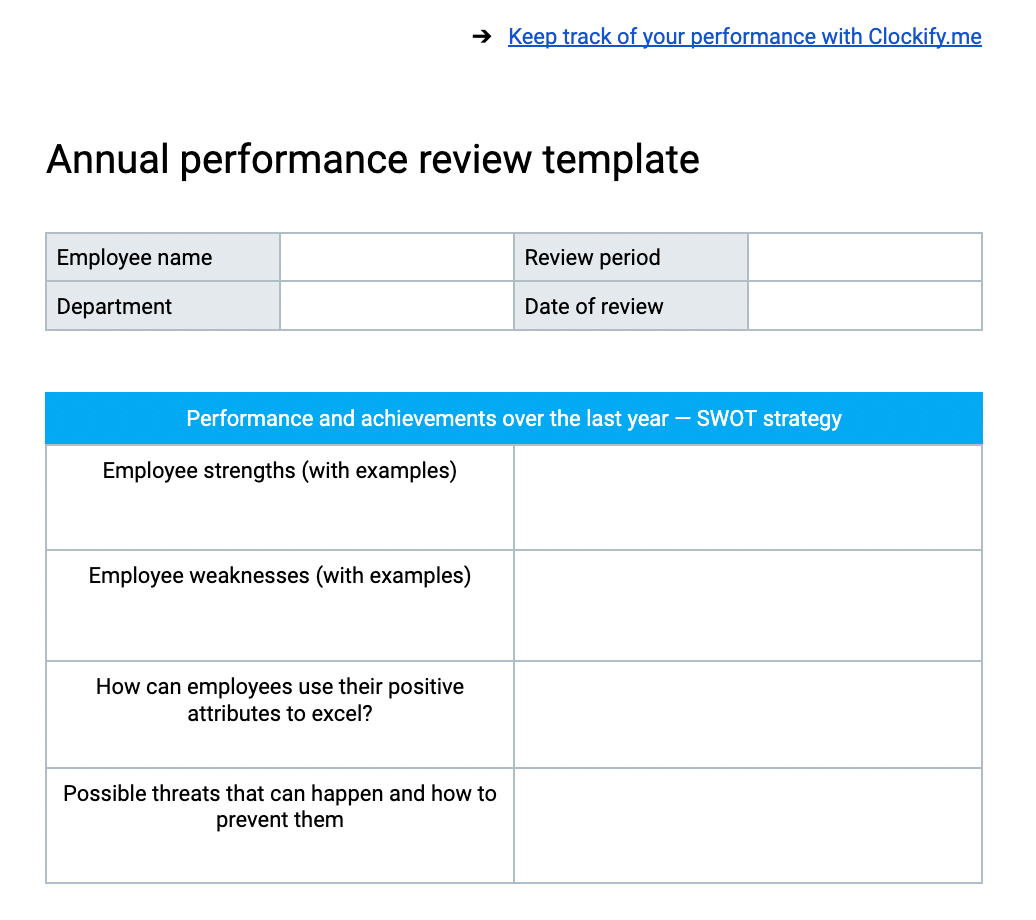
Core Components of a Recommendation Report
A comprehensive recommendation report typically includes the following key sections:
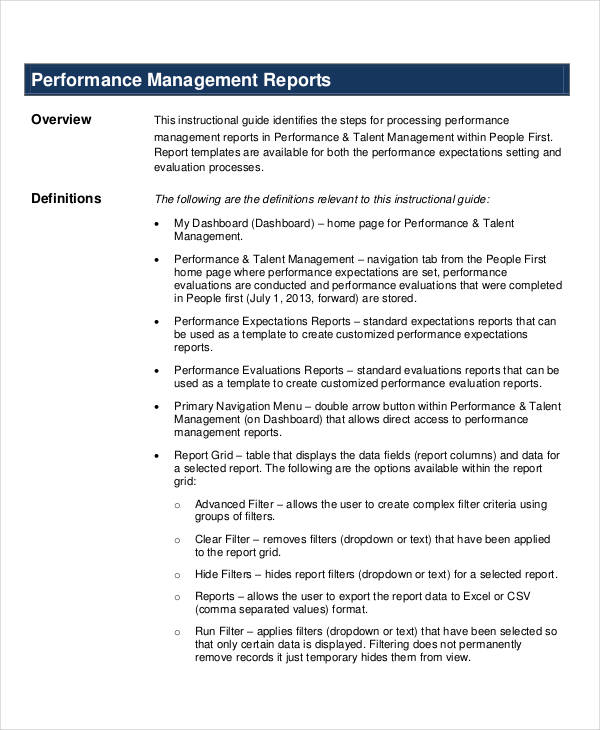
1. Executive Summary
The executive summary is arguably the most important part of the report. It's a concise overview of the entire report, highlighting the key findings and recommendations. It should be written last, after all the other sections have been completed, and should be easily digestible for busy executives. Recommendation Report Template emphasizes the need for a succinct, impactful summary. A good executive summary should grab the reader's attention and clearly articulate the report's purpose. It's often the first thing executives read, so it needs to be compelling.
2. Background and Context
This section provides the necessary background information to understand the data being presented. It explains the situation the report addresses, the challenges or opportunities it's focused on, and any relevant historical context. It's important to establish the "why" behind the data. For example, if analyzing sales data, this section might detail the overall market trends, competitor activity, and any recent changes in customer behavior. Without this context, the data becomes difficult to interpret.
3. Data and Methodology
This section details the data sources used, the methods employed to collect and analyze the data, and any limitations of the data. Transparency is key here. It's crucial to clearly state how the data was gathered, what tools were used, and any potential biases that might affect the results. A thorough methodology section demonstrates a rigorous approach to data analysis. This section is vital for building trust and ensuring the report's validity. Consider including data visualization techniques used to present the data effectively.
4. Analysis and Findings
This is the core of the report, where the data is analyzed and presented. This section should include key metrics, trends, and insights. Use charts, graphs, and tables to visually represent the data and make it easier to understand. Focus on identifying patterns, correlations, and significant differences. For example, if analyzing customer churn, the analysis might reveal a correlation between specific product features and customer attrition. Clearly label all charts and graphs and provide concise explanations of what they show. Recommendation Report Template highlights the importance of clear and visually appealing data presentation.
5. Recommendations
This section presents the specific recommendations based on the analysis. Recommendations should be actionable, measurable, and prioritized. Each recommendation should be clearly articulated, outlining the expected benefits and potential risks. Don't just state what needs to be done; explain how it should be done and why it's the best approach. Consider using a numbered list for clarity. A well-defined set of recommendations is essential for driving implementation.
6. Appendix (Optional)
The appendix can include supplementary materials such as raw data, detailed methodology, or supporting documentation. This section is useful for providing additional information that isn't essential to the main body of the report but may be helpful for readers who want to delve deeper.
Best Practices for Creating a Recommendation Report
Several best practices can significantly enhance the quality and effectiveness of your recommendation report:
- Tailor the Report: Don't create a generic report. Customize it to the specific audience and their needs.
- Focus on Actionable Insights: The primary goal is to provide recommendations that can be implemented.
- Use Visualizations: Charts, graphs, and tables can effectively communicate complex data.
- Quantify Results: Whenever possible, use numbers and metrics to support your claims.
- Maintain a Consistent Tone: Use a professional and objective tone throughout the report.
- Proofread Carefully: Errors in grammar and spelling can undermine the credibility of the report.
Conclusion
A well-structured recommendation report is an invaluable tool for organizations seeking to make data-driven decisions. By following the guidelines outlined in this article, you can create a report that effectively communicates insights, drives action, and ultimately contributes to improved business outcomes. The Recommendation Report Template provides a framework for success, but the key is to adapt it to your specific needs and objectives. Remember that the report is a conversation starter – it's about facilitating discussion and collaboration. A thoughtful and well-presented recommendation report can significantly enhance an organization's ability to leverage data and achieve its strategic goals. Ultimately, a strong recommendation report is a strategic asset.
Conclusion
The creation of a recommendation report is a critical process for organizations seeking to leverage data effectively. By following a structured approach, incorporating key components, and adhering to best practices, you can produce reports that are informative, actionable, and ultimately, contribute to improved business performance. The Recommendation Report Template serves as a starting point, but the true value lies in the thoughtful application of these principles to address specific business challenges and opportunities. Continuous refinement and adaptation of the report based on feedback and evolving business needs are essential for maintaining its relevance and effectiveness. Investing in the development of a robust recommendation report is an investment in the future success of your organization.
0 Response to "Recommendation Report Template"
Posting Komentar