The landscape of supply chain management is constantly evolving, demanding robust agreements that protect both suppliers and buyers. A well-structured Supplier Rebate Agreement Template is no longer a luxury – it's a critical tool for fostering long-term partnerships and ensuring mutually beneficial outcomes. This comprehensive guide will delve into the key elements of a successful agreement, providing you with the knowledge to create a template that meets your specific needs. Supplier Rebate Agreement Template – understanding its nuances is paramount for any business seeking to optimize its relationships with suppliers. This article will explore the essential clauses, considerations, and best practices for drafting a template that's both legally sound and practical. We'll cover everything from initial setup to ongoing review, ensuring you're equipped to navigate the complexities of supplier agreements.
Understanding the Importance of Supplier Rebate Agreements
A Supplier Rebate Agreement Template isn't simply a form; it's a strategic document that defines the terms and conditions under which a supplier receives rebates or incentives for providing goods or services. These agreements are vital for several reasons:
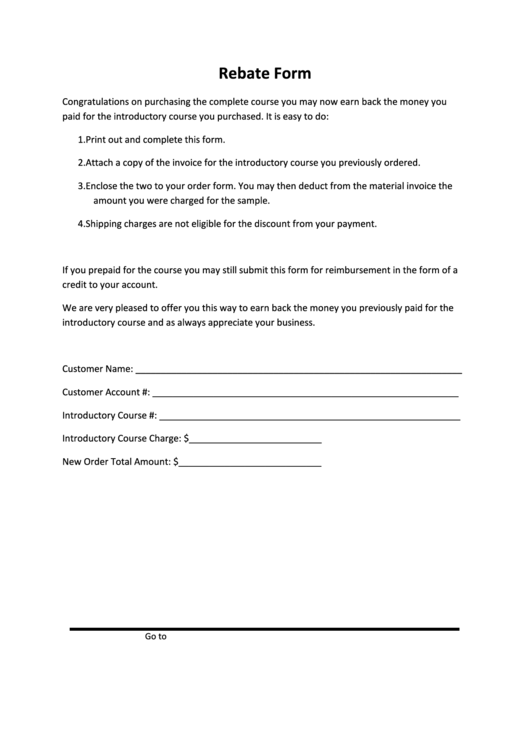
- Profitability: They clearly outline the rebate amount, payment schedule, and conditions for receiving it.
- Relationship Management: A well-crafted agreement fosters trust and transparency, strengthening the relationship between the supplier and the buyer.
- Risk Mitigation: It addresses potential disputes and clarifies responsibilities, minimizing risks for both parties.
- Contractual Clarity: It establishes a clear understanding of expectations, preventing misunderstandings and potential legal issues.
- Performance Measurement: The agreement can include metrics for evaluating the supplier's performance and ensuring the rebate is justified.
Core Clauses and Essential Elements of a Supplier Rebate Agreement Template
Let's examine the key components typically included in a Supplier Rebate Agreement Template. Each section plays a crucial role in shaping the agreement's overall structure and ensuring its effectiveness.

1. Parties Involved
This section clearly identifies the parties involved – the buyer and the supplier. It's essential to include full legal names, addresses, and contact information for both parties. It's also beneficial to specify the governing law for the agreement.
- Buyer: The entity purchasing the goods or services.
- Supplier: The entity providing the goods or services.
2. Scope of Services/Products
This section precisely defines the scope of the supplier's obligations. It outlines the specific products or services being provided, the quantity, and any associated specifications. It's vital to avoid ambiguity here.
- Detailed Description: Provide a comprehensive description of the products or services.
- Quantity: Specify the exact quantity or volume of goods or services.
- Delivery Terms: Outline the delivery schedule, timelines, and methods.
3. Rebate Terms and Conditions
This is arguably the most important section. It details the specifics of the rebate amount, payment schedule, and conditions for receiving it.
- Rebate Percentage: Clearly state the percentage of the purchase price that will be rebate.
- Payment Schedule: Specify the frequency and method of payment (e.g., monthly, quarterly).
- Payment Method: Define the accepted payment methods (e.g., wire transfer, check).
- Penalties for Non-Compliance: Outline consequences for failing to meet the rebate terms.
- Exclusions: Specify any goods or services that are not eligible for the rebate.
4. Performance Metrics and Reporting
This section establishes how the supplier's performance will be measured and reported. It's crucial for monitoring the agreement's effectiveness and ensuring the rebate is justified.
- Key Performance Indicators (KPIs): Define specific KPIs that will be tracked (e.g., on-time delivery, quality of goods, customer satisfaction).
- Reporting Frequency: Specify how often performance data will be reported (e.g., monthly, quarterly).
- Reporting Format: Outline the format of the reports (e.g., spreadsheet, dashboard).
5. Termination Clause
This section addresses the circumstances under which either party can terminate the agreement. It's important to include provisions for notice periods and potential penalties for termination.
- Termination for Cause: Define the conditions under which either party can terminate the agreement.
- Termination for Convenience: Specify whether either party can terminate the agreement without cause.
- Consequences of Termination: Outline the consequences of termination, including payment obligations and return of goods.
6. Intellectual Property
This section addresses ownership of intellectual property related to the goods or services provided. It's particularly important when the supplier is creating new designs or technologies.
- Ownership of Designs: Clarify who owns the intellectual property rights to designs, patents, or other creations.
- Licensing Agreements: Specify any licensing agreements that apply to the goods or services.
7. Dispute Resolution
This section outlines the process for resolving disputes that may arise during the term of the agreement. It can include mediation, arbitration, or litigation.
- Mediation: Specify the process for mediation.
- Arbitration: Outline the process for arbitration.
- Governing Law: Specify the jurisdiction whose laws will govern the agreement.
Best Practices for Drafting a Supplier Rebate Agreement Template
- Be Specific: Avoid vague language. Clearly define all terms and conditions.
- Keep it Concise: While thorough, strive for brevity. Don't overwhelm the other party with unnecessary details.
- Legal Review: Have the agreement reviewed by legal counsel to ensure compliance with applicable laws and regulations.
- Negotiation: Be prepared to negotiate terms with the supplier.
- Documentation: Maintain thorough records of all communications and agreements.
Conclusion
A well-crafted Supplier Rebate Agreement Template is a cornerstone of successful supplier relationships. By carefully considering the key clauses and best practices outlined in this guide, businesses can create a document that fosters trust, promotes profitability, and mitigates risks. Remember that the template is a starting point – tailoring it to your specific needs and circumstances is crucial for achieving optimal results. Ultimately, a robust agreement is an investment in a long-term, mutually beneficial partnership. Supplier Rebate Agreement Template – investing in this process yields significant returns.
Conclusion
The Supplier Rebate Agreement Template is a vital tool for businesses seeking to optimize their supply chain relationships. By carefully considering the core clauses and best practices outlined in this guide, businesses can create a document that fosters trust, promotes profitability, and mitigates risks. Investing in a well-structured agreement is an investment in a strong and sustainable partnership with your suppliers. Proper planning and execution will ensure the agreement remains relevant and effective over time.
0 Response to "Supplier Rebate Agreement Template"
Posting Komentar