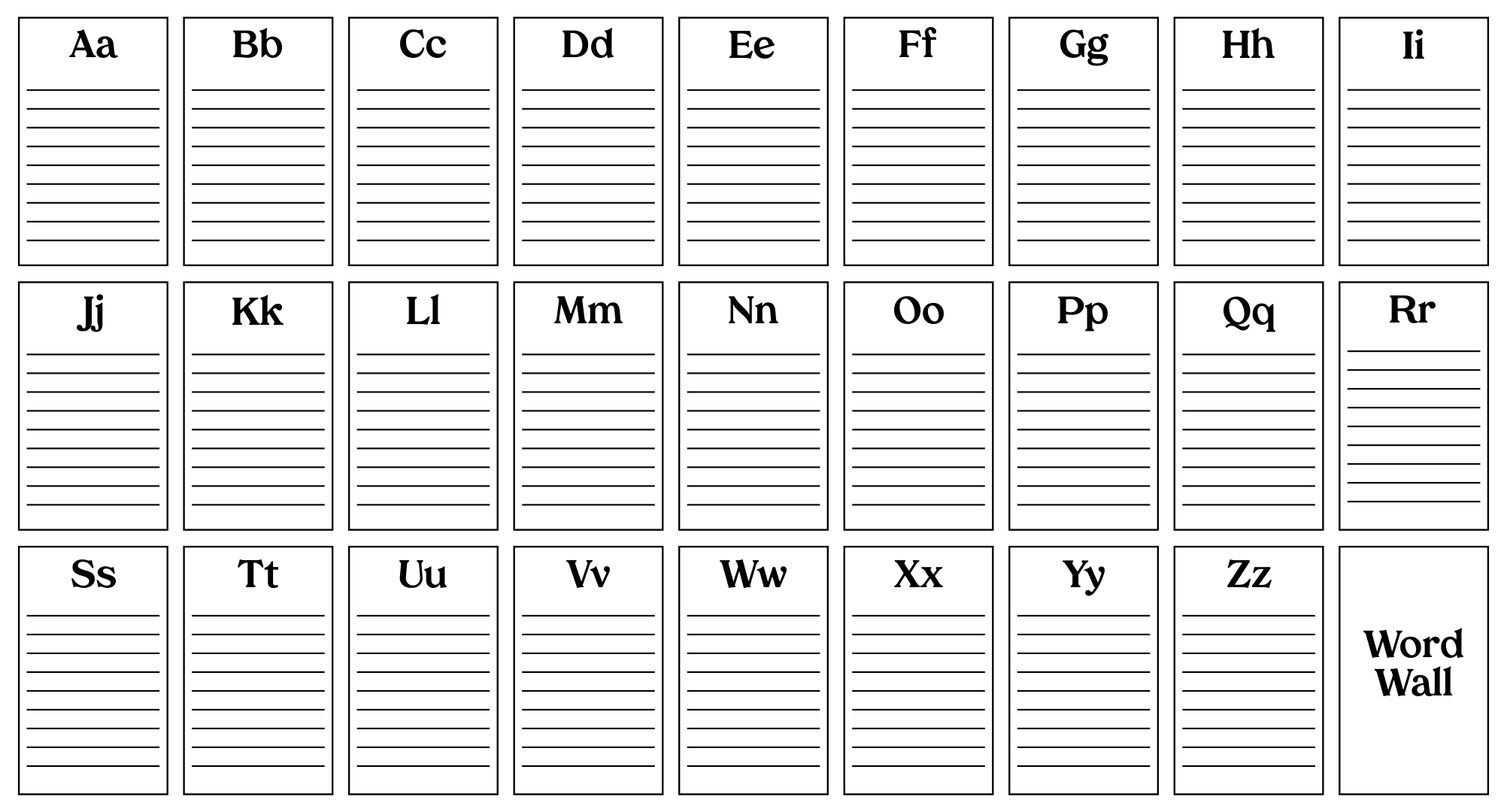
Are you looking for a way to boost your memory, improve your focus, and enhance your overall learning experience? A Personal Word Wall Template can be a powerful tool for achieving these goals. It's a visual representation of the words and phrases you find most valuable, allowing you to quickly access them when you need them. Whether you're a student, a professional, or simply someone who wants to expand their vocabulary, a Personal Word Wall Template can be incredibly beneficial. This guide will walk you through creating and utilizing one effectively. Personal Word Wall Template is more than just a pretty chart; it's a strategic tool for cognitive enhancement and improved communication. Let's dive in.
Understanding the Benefits of a Personal Word Wall
The core concept behind a Personal Word Wall Template is to create a visual map of the words and phrases that resonate with you. It's not about memorizing everything; it's about identifying the words that unlock understanding and facilitate effortless recall. Numerous studies have shown that using a word wall can significantly improve performance on tests, enhance problem-solving skills, and even boost creativity. The act of actively constructing and reviewing your word wall strengthens neural pathways, making it easier to retrieve information when needed. Furthermore, it fosters a deeper connection with the vocabulary you use, leading to more confident and articulate communication. The benefits extend beyond academic settings; it's a valuable asset for personal growth and professional development.

Creating Your First Personal Word Wall Template
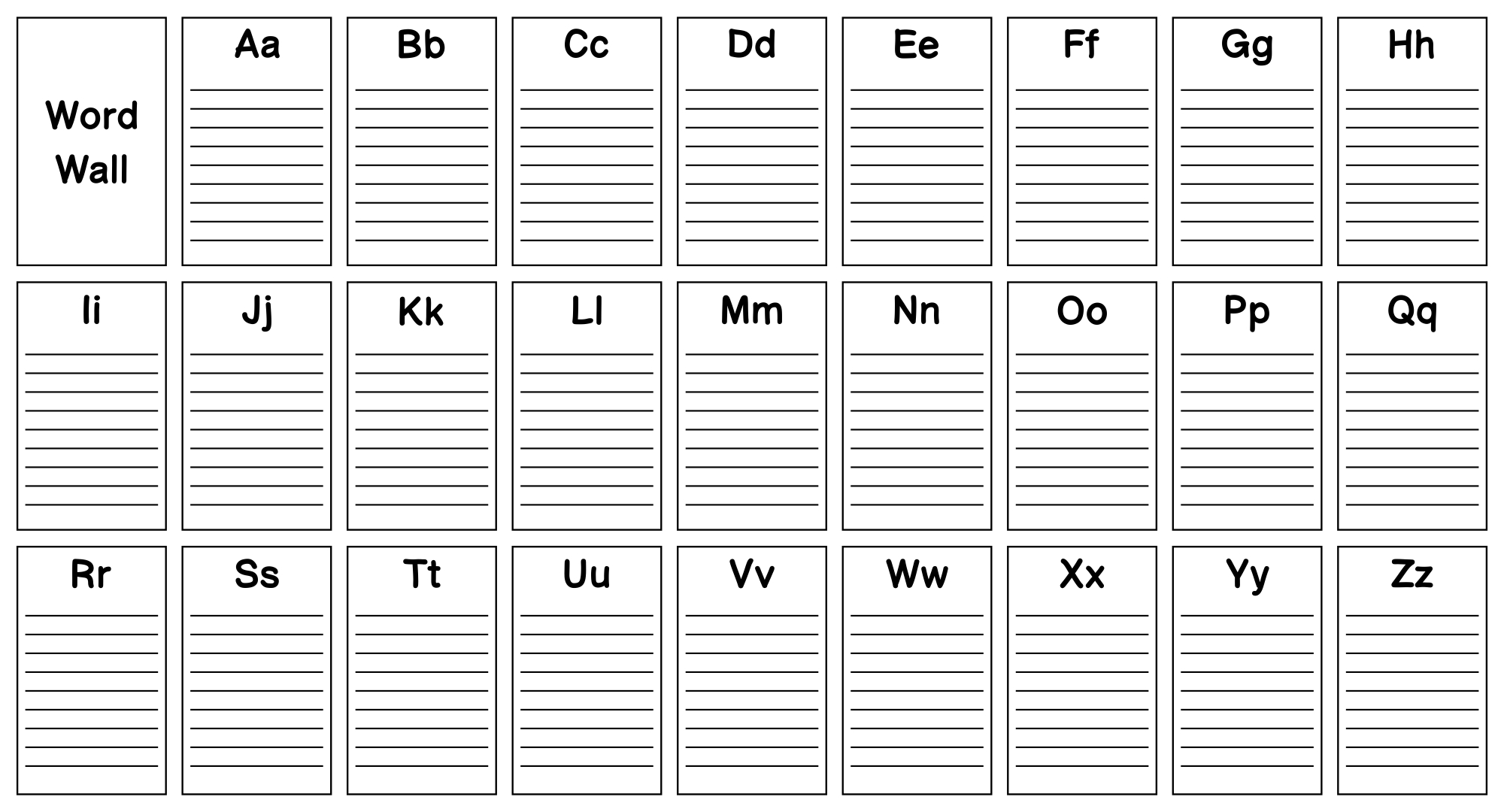
The first step in building your Personal Word Wall is to determine what you want to include. Don't feel pressured to include everything. Start with a manageable selection – perhaps 50-100 words – and gradually expand it as you become more comfortable. Consider your specific needs and goals. Are you focused on vocabulary for a particular subject? Do you want to improve your ability to express yourself more clearly? Knowing your objectives will help you prioritize the words you include. You can use a physical whiteboard, a large piece of paper, or a digital tool like Google Docs or a dedicated word wall app. The key is to create a system that works for you. Don't overthink it – just start!
Key Categories for Your Word Wall
A well-structured Personal Word Wall can be organized into different categories to make it easier to navigate and recall. Here are some common categories to consider:

- Acronyms & Initialisms: These are often crucial for quick recall. Examples include "SEO," "NLP," "SWOT."
- Synonyms & Antonyms: Expanding your vocabulary with synonyms and antonyms can significantly improve your ability to express yourself precisely.
- Root Words & Prefixes: Understanding the building blocks of words can unlock a deeper understanding of their meanings. For example, knowing that "port" is a root word for "port," "port," and "portage" can be incredibly helpful.
- Contextual Words: Words that frequently appear in specific contexts are particularly valuable. Think about words you encounter in your daily life, your work, or your hobbies.
- Technical Terms: If you're in a field that requires specialized vocabulary, dedicate a section to technical terms.
- Personal Words: This is arguably the most important category! Include words that are personally meaningful to you, reflecting your interests, passions, and experiences. These words will be incredibly motivating and will help you connect with your own vocabulary.
Structuring Your Word Wall – A Practical Approach
Once you've identified your categories, it's time to structure your word wall. Here are a few methods you can use:
- Alphabetical Order: This is the most straightforward approach. Simply arrange your words alphabetically.
- Categorical Organization: Group related words together. For example, you might have a section for "Action Verbs," another for "Adjectives," and so on.
- Frequency-Based: Organize your words based on how frequently you use them. Words you use most often should be at the front of the wall.
- Visual Layout: Consider using a grid or a visually appealing layout to make your word wall more engaging. You can use different colors or icons to represent different categories.
Tips for Maintaining and Expanding Your Personal Word Wall
A Personal Word Wall isn't a static collection of words. It's a living document that should evolve over time. Here are some tips for maintaining and expanding your word wall:
- Regular Review: Schedule time each week or month to review your word wall. This will help you reinforce your knowledge and identify words you may have forgotten.
- Active Recall: Don't just passively look at your word wall. Try to recall the meaning of each word before you look at it.
- Contextual Use: Actively use the words in your writing and conversations. This will help you solidify your understanding and make them more memorable.
- Add New Words: Continuously add new words to your word wall as you encounter them. Don't be afraid to add words that you find interesting or that are relevant to your goals.
- Update Regularly: As your interests and needs change, update your word wall to reflect those changes.
The Power of Visual Memory
The visual nature of a Personal Word Wall is a significant advantage. Our brains are wired to remember visual information more easily than text-based information. The arrangement of words on a wall, the colors used, and the overall layout can all contribute to improved memory retention. This is why many people find that using a word wall helps them learn and remember new information more effectively.
Beyond the Basics: Advanced Techniques
For those seeking to take their Personal Word Wall to the next level, consider exploring these advanced techniques:
- Mnemonics: Use mnemonic devices (memory aids) to help you remember the meanings of your words.
- Association: Connect new words to existing words or concepts that you already know.
- Thematic Organization: Group words by theme or topic.
- Digital Word Walls: Utilize digital word wall apps and platforms that offer features like search, tagging, and sharing.
Conclusion: Investing in Your Cognitive Abilities
A Personal Word Wall Template is a valuable investment in your cognitive abilities and overall learning potential. It's a simple yet powerful tool that can significantly enhance your memory, improve your communication skills, and boost your confidence. By consistently reviewing and expanding your word wall, you'll unlock a deeper understanding of the words you use and unlock a world of possibilities. Don't underestimate the power of a well-crafted visual representation of your vocabulary. Start building yours today!
Conclusion
Ultimately, the Personal Word Wall Template is a personalized tool designed to support your cognitive growth and enhance your ability to learn and communicate effectively. It's a testament to the power of visual learning and a valuable asset for anyone seeking to improve their mental agility. By consistently utilizing this technique, you'll reap the rewards of a more informed, articulate, and confident self. The benefits extend far beyond simple vocabulary acquisition; it's about cultivating a deeper connection with your own thoughts and ideas. Embrace the power of your word wall – it's a journey of continuous learning and self-improvement.
0 Response to "Personal Word Wall Template"
Posting Komentar