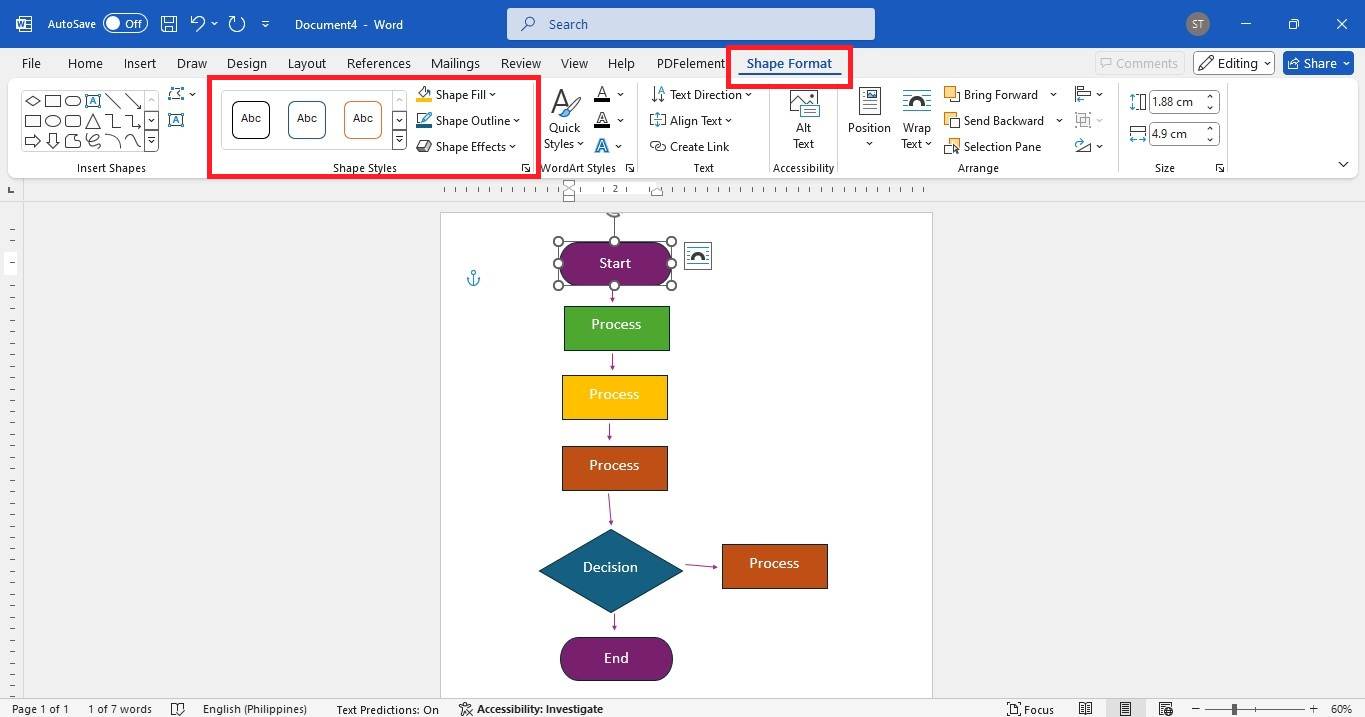
Are you struggling to visually represent complex processes or workflows? Do you need a clear and concise way to communicate your business processes to your team or clients? A Microsoft Word flowchart template offers a powerful and intuitive solution. This article will delve into the world of Microsoft Word flowchart templates, exploring their benefits, features, and how to effectively utilize them to streamline your communication and improve efficiency. At the heart of this article lies the crucial term: Microsoft Word Flowchart Template. Understanding how to leverage these templates can significantly enhance your workflow and project management capabilities. Let's explore what they are, why they're valuable, and how to choose the right one for your needs.
What are Microsoft Word Flowchart Templates?
Microsoft Word flowchart templates are pre-designed visual representations of processes, typically used to illustrate sequential steps, decision points, and logical flows. They're a digital tool that allows you to easily create and share diagrams without the need for complex drawing skills. Unlike traditional hand-drawn flowcharts, these templates offer a structured and organized approach, making them ideal for documenting and communicating complex procedures. They're readily available within the Microsoft Word application and can be easily customized to fit your specific needs. The core functionality revolves around arranging shapes, arrows, and text to represent the different stages of a process. They're a fantastic alternative to paper-based flowcharts, offering a convenient and shareable format.
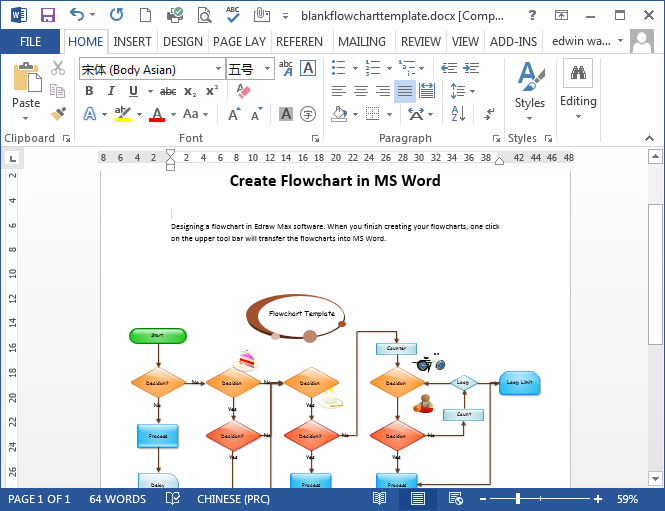
The Benefits of Using Microsoft Word Flowchart Templates
The adoption of Microsoft Word flowchart templates offers a multitude of advantages for individuals and organizations alike. Firstly, they dramatically improve communication by providing a visual representation of processes that are often difficult to articulate verbally. Complex procedures become easier to understand when presented in a clear, graphical format. Secondly, they enhance organization by providing a structured framework for documenting workflows. This leads to a more systematic approach to task management and reduces the risk of errors. Furthermore, these templates are incredibly time-saving. Creating a flowchart from scratch can be a lengthy and tedious process, but using a template allows you to quickly generate a polished and professional diagram. Finally, they are a valuable tool for training and documentation. They provide a readily accessible resource for new employees or for reviewing existing processes.
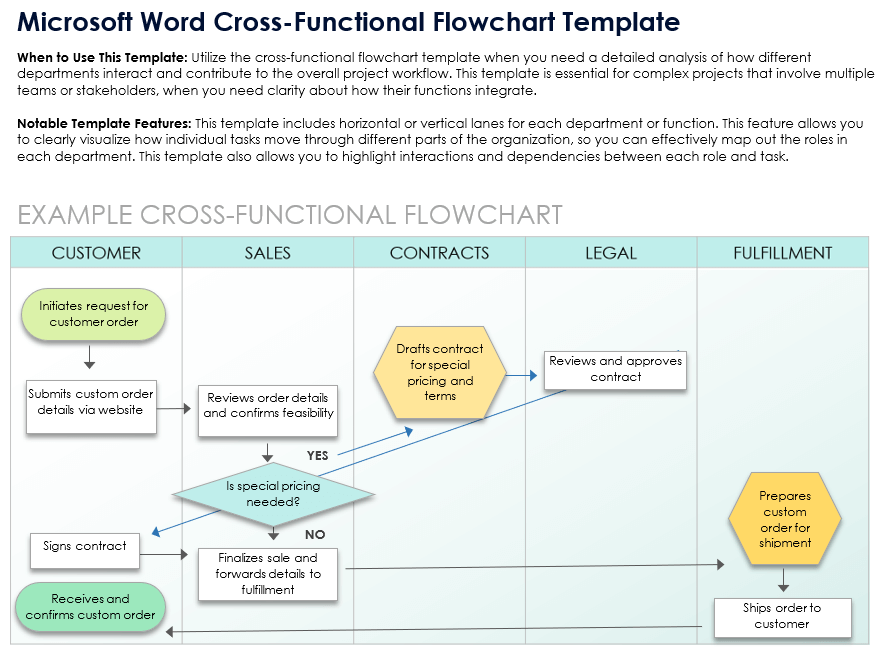
Key Features and Functionality of Microsoft Word Flowchart Templates
Microsoft Word offers a surprisingly robust set of features within its flowchart template library. Here are some of the most commonly utilized features:

- Shapes: A wide variety of shapes are available, including rectangles, diamonds, ovals, and arrows, each representing a different type of step or action.
- Arrows: Arrows are used to indicate the direction of flow, connecting different stages of the process.
- Text Boxes: Text boxes allow you to add notes, descriptions, and labels to your flowchart.
- Flow Lines: Flow lines visually represent the sequence of steps in the process.
- Color Coding: Color coding can be used to differentiate between different types of steps or to highlight important information.
- Templates: Microsoft Word provides a library of pre-designed templates for various industries and processes, saving you time and effort.
- Customization: While templates offer a good starting point, you can easily customize them to fit your specific needs. This includes changing shapes, colors, text, and arrows.
Finding and Selecting the Right Microsoft Word Flowchart Template
Numerous Microsoft Word templates are available, catering to a wide range of industries and processes. Here are some popular categories and resources:
- Business Process Flow: Templates specifically designed for business process mapping and analysis.
- Project Management: Templates focused on project workflows and task management.
- Manufacturing: Flowcharts for manufacturing processes, including production, quality control, and logistics.
- Healthcare: Templates for patient flow, medical procedures, and healthcare workflows.
- Sales & Marketing: Flowcharts for sales cycles, lead generation, and marketing campaigns.
You can easily find these templates within the Microsoft Word application under the "Insert" tab, then selecting "Flowchart." Alternatively, you can search online for "Microsoft Word flowchart template" and explore various resources like Microsoft's own template library and third-party websites. Be sure to carefully review the template's features and functionality before selecting one that meets your specific requirements.
Advanced Techniques for Creating Effective Flowcharts
Beyond simply using pre-built templates, there are several advanced techniques you can employ to create truly effective flowcharts:
- Start with a Detailed Process: Before creating the flowchart, thoroughly document your process. This will ensure that the diagram accurately reflects the actual workflow.
- Use Clear and Concise Language: Write descriptions for each step in a clear and concise manner. Avoid jargon or technical terms that may not be understood by everyone.
- Add Visual Cues: Use colors, shapes, and arrows to highlight key steps and decision points.
- Consider User Experience: Think about the people who will be using the flowchart. Make sure the diagram is easy to understand and navigate.
- Iterate and Refine: Don't be afraid to revise and refine your flowchart as you gain a better understanding of the process.
Microsoft Word Flowchart Template Best Practices
To maximize the effectiveness of your Microsoft Word flowchart templates, consider these best practices:
- Keep it Simple: Avoid overly complex diagrams. Focus on the essential steps and flow.
- Use Consistent Formatting: Maintain a consistent style throughout the flowchart to improve readability.
- Use Appropriate Shapes: Choose shapes that accurately represent the different types of steps in the process.
- Label Clearly: Ensure that all steps and decisions are clearly labeled.
- Test Your Flowchart: Have someone unfamiliar with the process review the flowchart to identify any potential issues.
The Role of Microsoft Word Flowchart Templates in Modern Business
In today's fast-paced business environment, the ability to quickly and efficiently communicate processes is more critical than ever. Microsoft Word flowchart templates have become an indispensable tool for businesses of all sizes. They streamline workflows, improve communication, and enhance overall productivity. They are particularly valuable for teams working on complex projects, managing operations, or documenting regulatory compliance. The widespread adoption of these templates demonstrates their growing importance in modern business practices.
Conclusion: Leveraging Microsoft Word Flowchart Templates
Microsoft Word flowchart templates represent a powerful and accessible solution for visualizing and documenting business processes. By leveraging their features, employing best practices, and understanding their benefits, you can significantly improve communication, organization, and efficiency. Remember, the key to a successful flowchart is clarity, simplicity, and a focus on the essential steps of the process. Ultimately, utilizing these templates empowers individuals and organizations to operate more effectively and achieve their goals. The continued evolution of Microsoft Word's flowchart capabilities ensures that they remain a valuable asset for years to come. Don't underestimate the power of a well-crafted flowchart – it's a strategic tool for success.
Microsoft Word Flowchart Template - Frequently Asked Questions (FAQ)
- What is a Microsoft Word flowchart template? A Microsoft Word flowchart template is a pre-designed visual representation of a process, easily customizable within the Microsoft Word application.
- Are there any limitations to using Microsoft Word flowchart templates? While versatile, templates may not always perfectly represent every nuance of a complex process. Customization is key.
- Can I use a Microsoft Word flowchart template for non-business processes? Yes, you can! However, be mindful of the level of detail and clarity required for the diagram.
- How do I create a new flowchart in Microsoft Word? Simply select the "Flowchart" tab and choose a template or start with a blank canvas.
- Can I edit a flowchart I've already created? Yes, you can easily modify existing flowcharts by selecting the desired shape, text, and arrows.
0 Response to "Microsoft Word Flowchart Template"
Posting Komentar