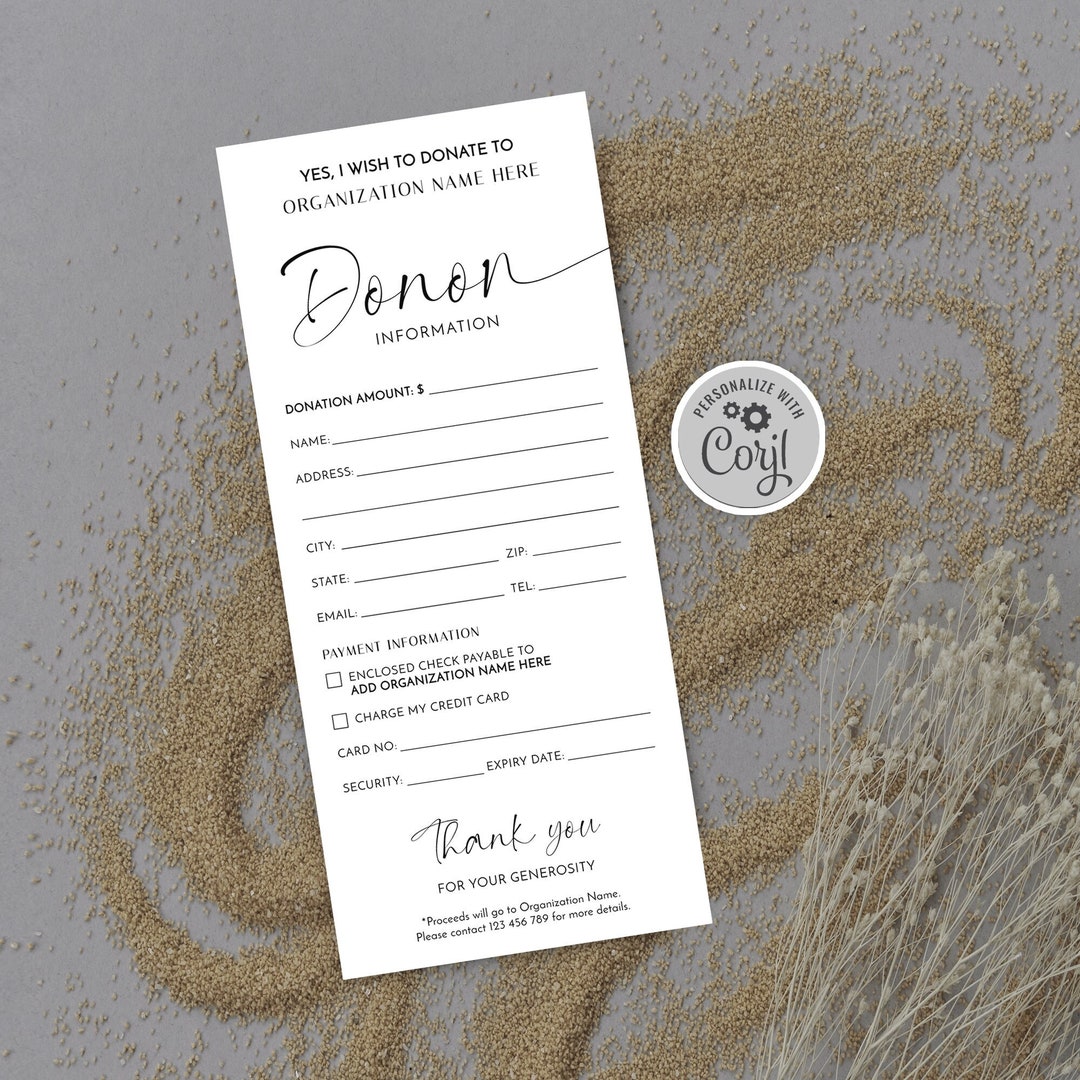
Donation Cards are a powerful tool for nonprofits, charities, and social enterprises seeking to maximize their fundraising efforts. They're more than just pretty designs; they're strategic assets that can significantly boost donor engagement and ultimately, donations. This guide will delve into everything you need to know about creating effective donation cards, from design considerations to best practices for distribution and tracking. Donation Cards Template is the cornerstone of this process, allowing you to clearly communicate your organization's mission and impact. Understanding how to present your cause effectively is crucial for attracting new donors and strengthening existing relationships. Let's explore how to craft a compelling donation card that resonates with your audience.
The rise of digital fundraising has undeniably shifted the landscape of donor engagement. Traditional paper cards, while still valuable, are increasingly supplemented by online platforms and email campaigns. A well-designed donation card, however, remains a vital component of a comprehensive fundraising strategy. It's a tangible representation of your organization's values and a direct pathway to financial support. A thoughtfully designed card can evoke emotion, reinforce your brand, and encourage donors to take action. It's about more than just collecting money; it's about building a connection.
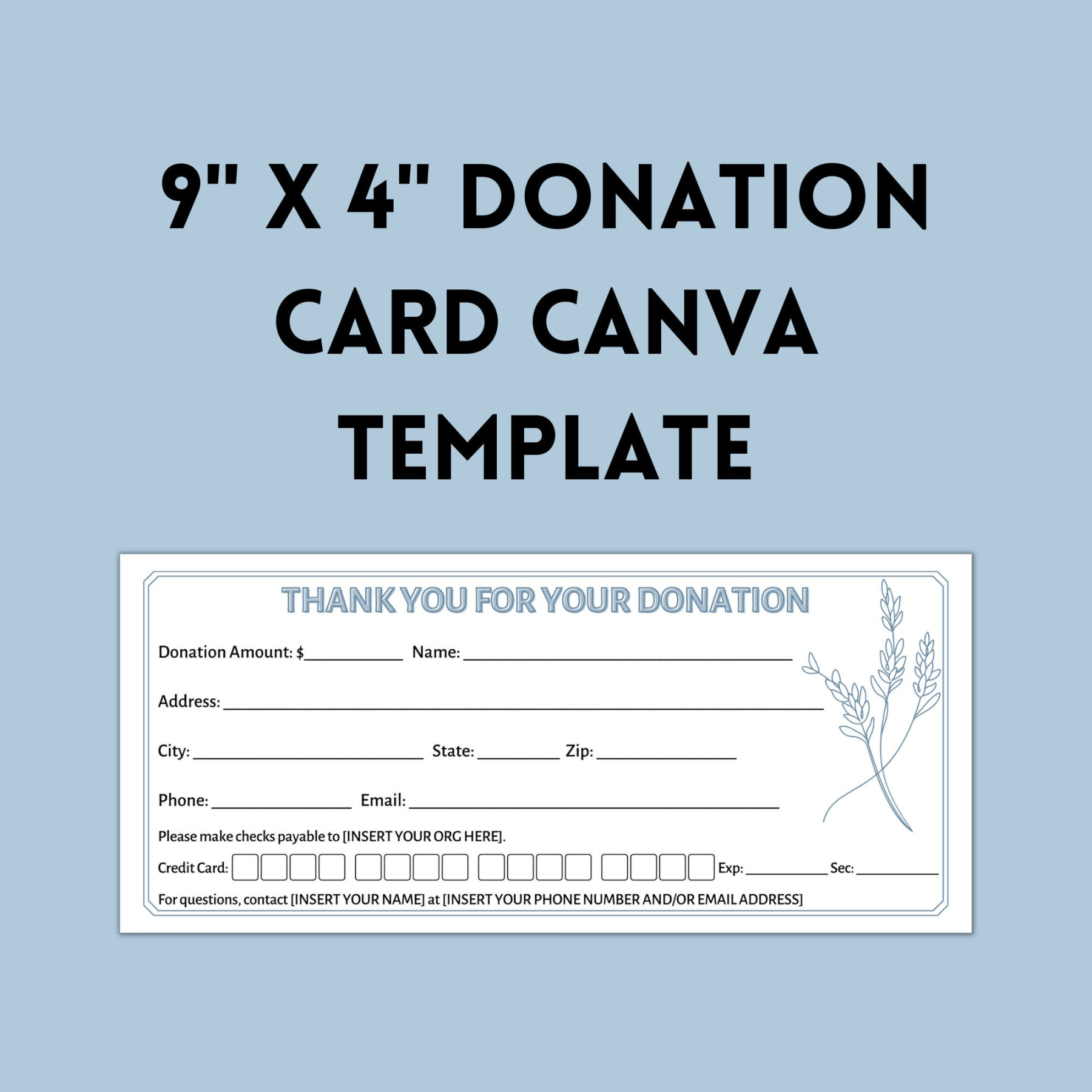
Understanding the Importance of Donor Engagement
Effective donor engagement goes beyond simply asking for donations. It's about fostering a relationship with your supporters, providing them with valuable information, and making them feel like they're part of something meaningful. A donation card is a key element in this engagement process. It's a moment of connection, a chance to share your story and demonstrate the impact of their contribution. Consider the emotional response a donor might have – a sense of pride, gratitude, or even a feeling of being involved. A donation card can powerfully trigger these emotions. Furthermore, a well-designed card can be a powerful marketing tool, showcasing your organization's work and attracting new donors. The ability to quickly and easily share information is also a significant advantage in today's digital world.
Designing a Winning Donation Card
Creating a visually appealing and effective donation card requires careful consideration of several factors. First and foremost, design is paramount. The card should be clean, uncluttered, and easy to read. Use a clear, legible font and sufficient white space. A professional design will immediately convey credibility and trustworthiness. Consider your target audience when choosing a color palette and imagery. Warm, inviting colors often work well for charities, while a more serious palette might be appropriate for advocacy organizations. Don't overcrowd the card with too much text or graphics. Keep it concise and focused on the key message. A strong visual hierarchy is essential – guide the reader's eye through the information.
Key Elements of a Successful Donation Card
Let's break down the essential elements that contribute to a successful donation card. Donation Cards Template should include a clear and concise mission statement, a compelling image or illustration, and a prominent call to action. The mission statement should immediately communicate what your organization does and why it matters. The image should be relevant to your cause and evoke emotion. The call to action – typically "Donate Now" – should be easily visible and unambiguous. Consider adding a brief explanation of how the funds will be used. Transparency is key; donors want to know where their money is going. A simple breakdown of how donations are allocated can build trust. Don't forget to include your organization's logo and contact information.
Different Types of Donation Cards
There are various types of donation cards available, each designed for specific purposes and audiences. Donation Cards Template can be customized to suit different needs. For example, a simple card might be suitable for a smaller, local charity, while a more elaborate card might be necessary for a larger, national organization. Digital donation cards offer the flexibility to incorporate multimedia elements, such as videos and audio recordings. Print cards can be designed to be more visually impactful. Consider the platform you'll be using to distribute the card – websites, social media, email campaigns – and tailor the design accordingly. A consistent brand identity across all your communication materials is crucial for building recognition and trust.
Best Practices for Donation Card Distribution
Once you've created your donation card, it's important to distribute it effectively. Donation Cards Template should be easily accessible to your target audience. Consider using social media to promote your card. Share it on your website, Facebook, Instagram, and other relevant platforms. Email marketing is another effective channel for distributing your card. Partner with local businesses or organizations to distribute your card through their channels. Don't just send the card – create a compelling narrative around it. Explain why your organization is important and how donations will make a difference. A well-crafted message will increase engagement and encourage donations. Track your distribution efforts to see what's working and what's not.
Tracking and Analyzing Donation Card Performance
Monitoring the performance of your donation cards is essential for optimizing your fundraising efforts. Donation Cards Template should be designed with tracking in mind. Use unique URLs or QR codes to track how many people have viewed or interacted with your card. Use analytics tools to measure engagement metrics, such as click-through rates and conversion rates. Analyze the data to identify trends and patterns. What types of images or messaging are most effective? What channels are driving the most donations? Use this information to refine your design and distribution strategy. A/B testing different versions of your card can help you identify what resonates best with your audience.
The Role of Visual Communication
In today's digital age, visual communication is more important than ever. A high-quality donation card is a visual representation of your organization's brand and a powerful tool for conveying your message. Donation Cards Template should be visually appealing and easy to understand. Use high-resolution images and graphics. Maintain a consistent brand identity. Consider using color psychology to evoke the desired emotions. A well-designed card can capture attention and encourage donors to take action. Don't underestimate the power of a strong visual element – it can make a significant difference in your fundraising success.
Conclusion: Building a Sustainable Fundraising Strategy
Creating and utilizing a well-designed donation card is a critical component of a sustainable fundraising strategy. It's more than just a piece of paper; it's a tool for building relationships, fostering engagement, and ultimately, achieving your organization's goals. By understanding the principles outlined in this guide, you can craft donation cards that effectively communicate your mission, inspire action, and drive donations. Remember to consistently analyze your results and adapt your strategy accordingly. A thoughtful and strategically implemented donation card can be a cornerstone of your fundraising efforts, contributing significantly to your organization's long-term success. Investing in a professional design and thoughtful distribution is an investment in your organization's future. Don't underestimate the power of a well-crafted donation card – it's a vital tool for connecting with your community and supporting your vital work.
0 Response to "Donation Cards Template"
Posting Komentar