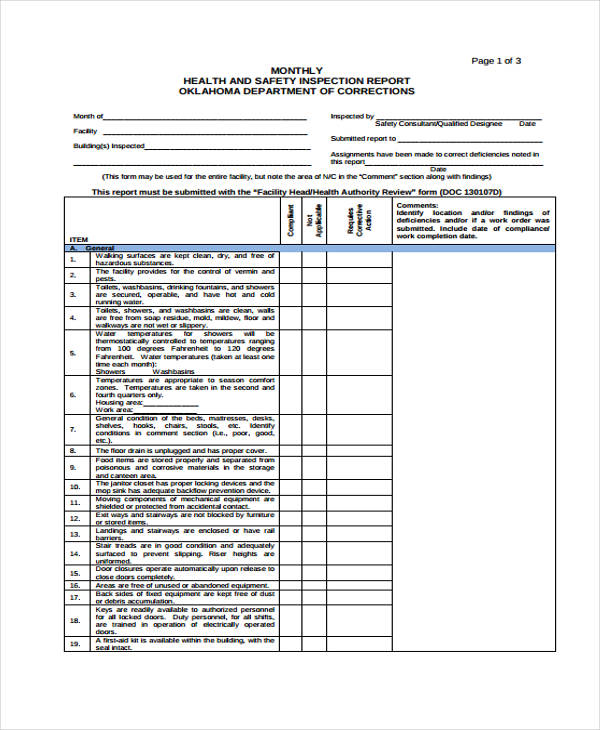
Creating a comprehensive and accurate Monthly Health and Safety Report is crucial for maintaining a safe and productive work environment. A well-structured report allows for proactive identification of potential hazards, facilitates effective risk mitigation, and ultimately contributes to a reduction in workplace accidents and injuries. This guide provides a detailed framework for developing and utilizing a robust Monthly Health and Safety Report Template, ensuring consistent and informative reporting across your organization. The core of this template focuses on systematically documenting incidents, hazards, and preventative measures. It's more than just a record; it's a tool for continuous improvement. Understanding the importance of a thorough report is the first step towards fostering a culture of safety. This template is designed to be adaptable to various industries and workplace settings, offering a flexible structure that can be tailored to specific needs. Investing in a standardized reporting process will yield significant benefits, reducing costs associated with accidents and improving employee morale. Let's delve into the key components of this template, ensuring it's a valuable asset for your organization.
Understanding the Importance of a Monthly Health and Safety Report
The benefits of a consistent and well-maintained Monthly Health and Safety Report extend far beyond simply fulfilling regulatory requirements. A proactive approach to safety, documented through regular reporting, allows organizations to identify trends, pinpoint root causes of incidents, and implement targeted preventative measures. Regular reporting provides valuable data for analysis, enabling management to assess the effectiveness of existing safety protocols and make informed decisions about resource allocation. Furthermore, a documented history of incidents – even minor ones – can be leveraged to improve training programs, refine procedures, and ultimately reduce the likelihood of future occurrences. Ignoring this process can lead to delayed responses, increased risk exposure, and potentially devastating consequences. A proactive, data-driven approach to safety is not just good practice; it's a strategic imperative. The report serves as a communication tool, ensuring everyone involved – from supervisors to frontline workers – understands their responsibilities and the importance of safety.
Key Sections of the Monthly Health and Safety Report Template
The following sections comprise a comprehensive Monthly Health and Safety Report Template. Each section is designed to gather specific information and contribute to a holistic understanding of workplace safety.
1. Incident Summary – A Review of Recent Events
This section provides a concise overview of all incidents, near misses, and safety concerns that occurred during the previous month. It's crucial to accurately record the nature of the incident, the date and time, location, involved personnel, and any immediate actions taken. Detailed descriptions are essential to understand the scope of the issue and identify potential contributing factors. For example, a slip and fall incident should include details about the location, the condition of the floor, and any contributing factors (e.g., wet surfaces, inadequate lighting). The incident summary should also include a preliminary assessment of the severity of the incident and potential impact on personnel. This section is a critical starting point for investigating and addressing underlying safety issues.
2. Hazard Identification – Identifying Potential Risks
This section focuses on identifying potential hazards within the workplace. It's important to systematically assess the risks associated with each task, process, or equipment. A thorough hazard assessment should consider both physical hazards (e.g., machinery, chemicals) and ergonomic hazards (e.g., repetitive motions, awkward postures). The process should involve employee input, where possible, to ensure a comprehensive understanding of potential risks. This section should include a description of the hazard, the potential consequences, and the existing control measures. Furthermore, it's vital to document any new hazards that are identified during the month. Regular review and updating of the hazard register are crucial for maintaining a safe workplace.

3. Control Measures – What's Being Done?
This section details the control measures implemented to mitigate identified hazards. It's important to clearly outline the effectiveness of these measures, noting any successes and areas for improvement. Effective control measures should be documented in a logical sequence, starting with the most effective and progressing to less effective measures. This might include engineering controls (e.g., machine guarding), administrative controls (e.g., safe work procedures), and personal protective equipment (PPE). For each control measure, record the date of implementation, the responsible person, and the observed effectiveness. Regular monitoring and evaluation of control measures are essential to ensure they remain adequate.
4. Training & Competency – Ensuring Employee Awareness
This section assesses the level of training and competency among employees regarding safety procedures and hazards. It should document the training received, the dates of training, and the assessment of employee competency. Proper training is a cornerstone of a strong safety program. It's important to track employee participation in safety training and to assess their understanding of key safety concepts. This section should also identify any gaps in training or competency and outline plans for addressing these gaps. Maintaining accurate records of training is vital for demonstrating compliance and ensuring employees are equipped with the knowledge and skills to work safely.

5. Near Miss Reporting – Learning from Mistakes
Near misses are opportunities to prevent future incidents. This section encourages employees to report near misses without fear of reprisal. Near misses are invaluable data points that can highlight potential hazards and areas for improvement. The report should clearly describe the near miss, the circumstances leading up to it, and the corrective actions taken. This section should also include a discussion of the lessons learned from the near miss and how they can be applied to prevent similar incidents in the future. A robust near miss reporting system fosters a culture of vigilance and continuous improvement.
6. Personal Protective Equipment (PPE) Usage – Compliance and Effectiveness
This section details the use of PPE, including the types of PPE worn, the frequency of use, and any observed compliance issues. It's important to ensure that PPE is properly fitted, maintained, and used correctly. Proper PPE usage is a critical component of safety and should be documented. This section should also track any incidents related to PPE misuse or failure. Regular audits of PPE usage can identify areas where improvements are needed.
7. Regulatory Compliance – Meeting Legal Requirements
This section summarizes compliance with relevant safety regulations and standards. It should include copies of relevant permits, licenses, and certifications. Staying compliant with regulations is essential for maintaining a safe workplace. This section should also document any corrective actions taken to address any regulatory violations.
Conclusion
The Monthly Health and Safety Report Template is a vital tool for promoting a culture of safety within your organization. By systematically documenting incidents, hazards, and preventative measures, this template empowers management to proactively address potential risks and ensure a safe and healthy work environment for all employees. Remember that the template is a living document – it should be regularly reviewed and updated to reflect changes in workplace practices, regulations, and risk assessments. Continuous improvement through data-driven reporting is the key to sustained success in achieving a strong safety record. Investing in a well-designed and consistently utilized report system is an investment in the well-being of your workforce and the long-term sustainability of your organization. Continuous monitoring and evaluation of the report's effectiveness are crucial for ensuring its continued relevance and impact. Finally, remember that employee participation and engagement are paramount to the success of any safety program – fostering a culture where safety is valued and everyone is responsible for maintaining a safe workplace.
0 Response to "Monthly Health And Safety Report Template"
Posting Komentar