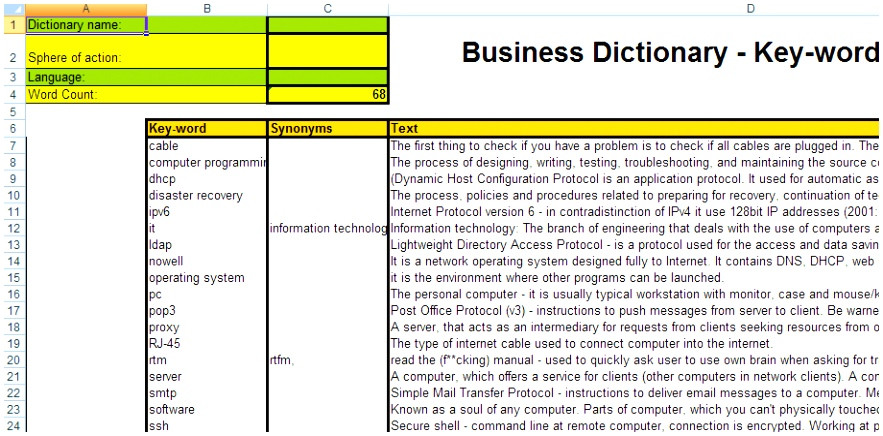
The world of business is increasingly reliant on data – vast amounts of information generated from various sources. Effectively managing and understanding this data is no longer a luxury, but a necessity for informed decision-making, operational efficiency, and competitive advantage. That's where a Business Data Dictionary Template comes in. This isn't just a static document; it's a dynamic tool designed to standardize, clarify, and ultimately, leverage your organization's data assets. It's a crucial investment in data governance and a cornerstone of a data-driven culture. Business Data Dictionary Template provides a structured approach to documenting and understanding your data, ensuring consistency and facilitating collaboration across departments. This article will delve into the benefits, key features, and practical considerations of creating and utilizing a robust Business Data Dictionary Template.
The rise of Big Data and the proliferation of data sources have dramatically increased the complexity of managing information. Without a standardized approach, data becomes fragmented, inconsistent, and difficult to analyze. A well-defined Business Data Dictionary Template acts as a central repository for all data-related information, promoting clarity and reducing the risk of errors. It's a proactive strategy, preventing costly mistakes and fostering trust in the data itself. The initial investment in creating and maintaining a template pays dividends in terms of improved data quality, streamlined workflows, and enhanced business insights. Let's explore how this template can transform your organization.
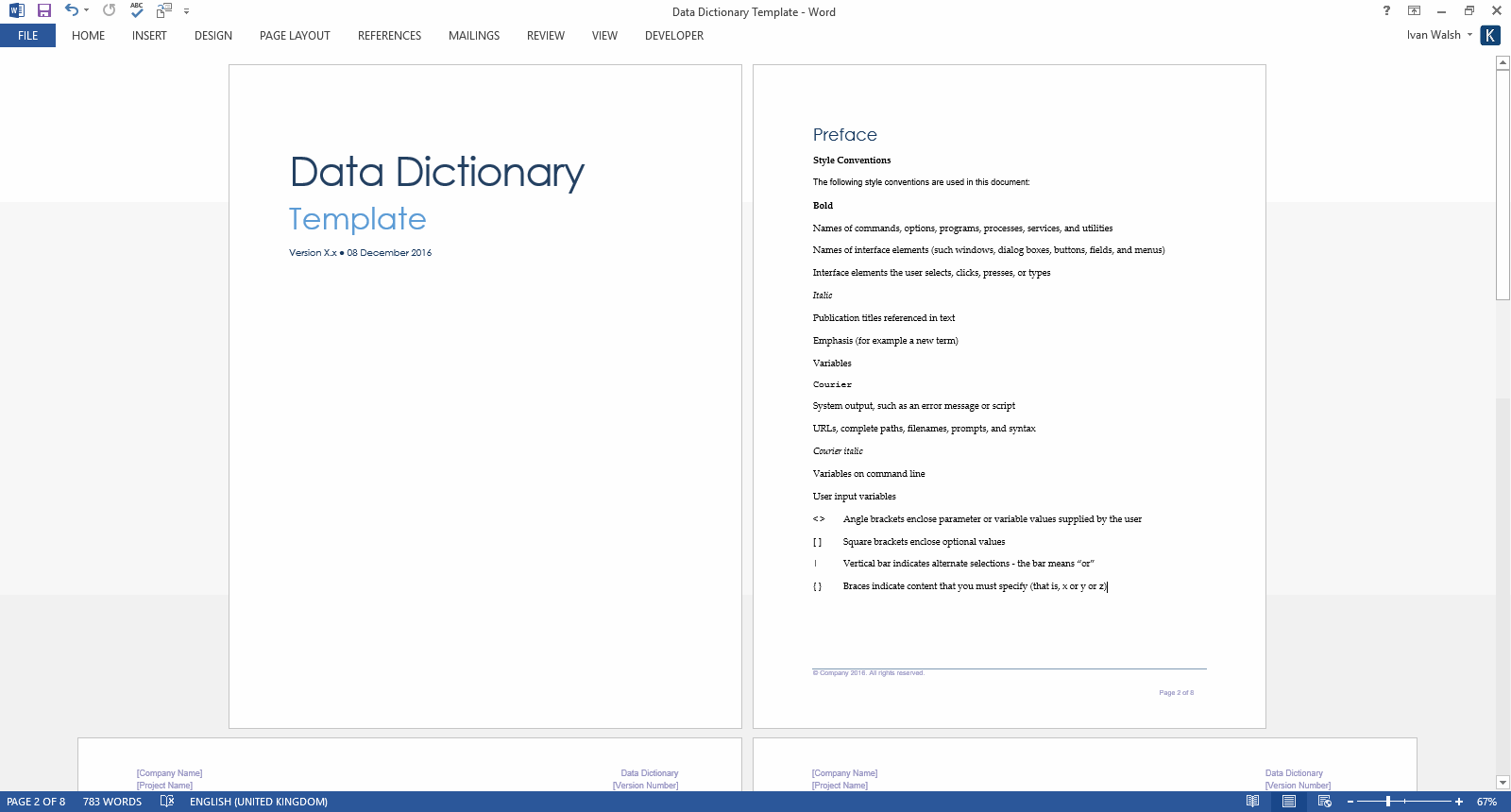
Understanding the Core Components of a Business Data Dictionary Template
A comprehensive Business Data Dictionary Template typically includes several key elements. It's not simply a list of terms; it's a detailed representation of the data's meaning, origin, and usage. Here's a breakdown of the essential components:
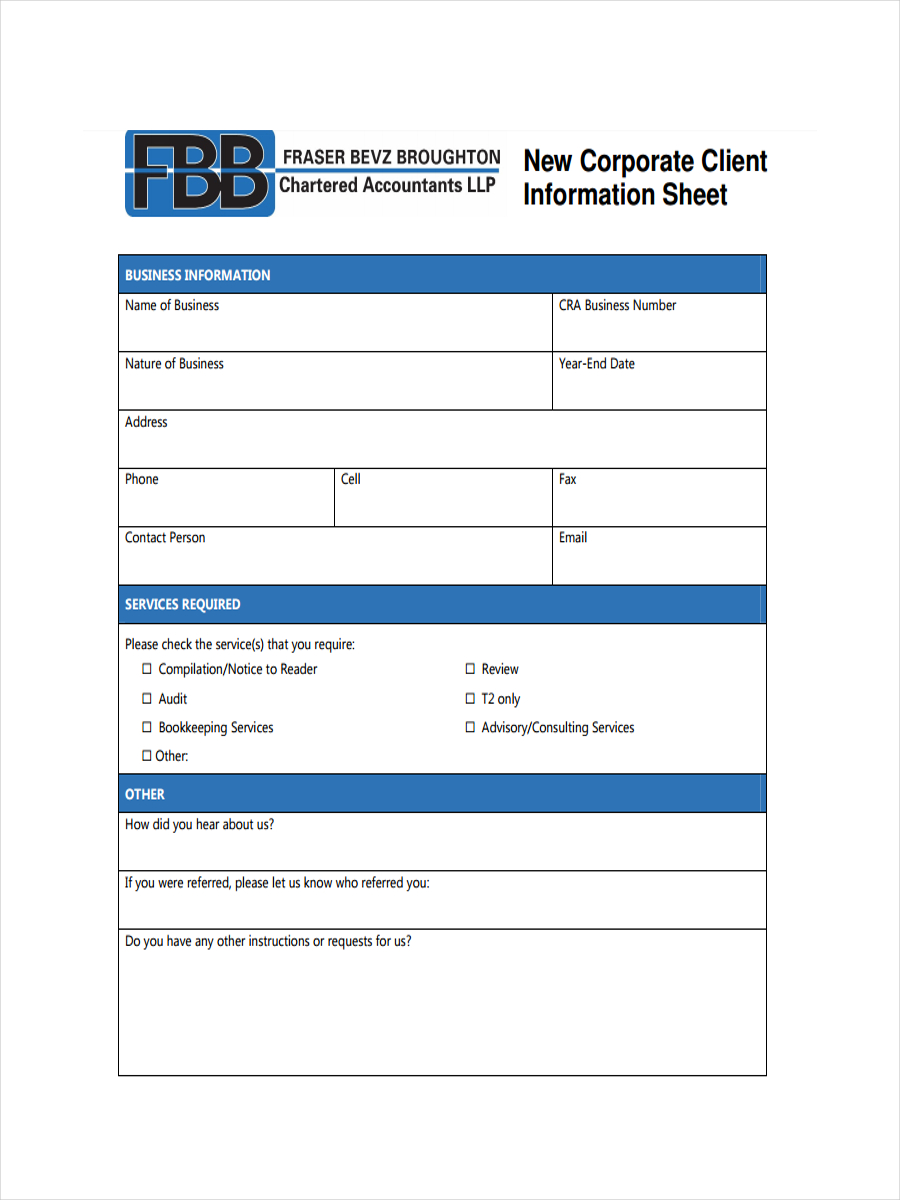
Defining Data Elements
The foundation of any template is clearly defining the data elements – the specific pieces of information you're documenting. These elements can be broad categories like customer demographics, product specifications, or financial transactions. Each element needs a precise description, including its data type (e.g., text, number, date), format, and potential values. For example, a "Customer ID" element might have a description like "A unique alphanumeric identifier assigned to each customer." This level of detail is critical for accurate data management.

Data Source Information
Alongside the data element itself, the template must detail its origin. Where did this data come from? What system generated it? Understanding the source is vital for assessing data quality and ensuring traceability. This might include information about the data pipeline, ETL processes, and data owners. Clearly documenting the source helps identify potential biases or inaccuracies.
Data Relationships and Dependencies
Beyond individual data elements, the template should also address relationships between them. For instance, a customer's purchase history might be linked to their demographic information and product preferences. Understanding these dependencies is crucial for building comprehensive data models. It's about recognizing how different data points connect and influence each other.
Data Quality Considerations
A critical aspect of a Business Data Dictionary Template is acknowledging and documenting data quality issues. This includes identifying potential errors, inconsistencies, and missing values. It also outlines processes for data cleansing and validation. A proactive approach to data quality is essential for maintaining the reliability of your data.
Key Sections of a Business Data Dictionary Template
Let's examine some of the key sections that comprise a robust Business Data Dictionary Template. Each section is designed to address a specific aspect of data management.
Customer Data
This section is particularly important for businesses that rely heavily on customer data. It covers all aspects of customer information, including:
- Contact Information: Name, address, phone number, email address, and social media profiles.
- Demographics: Age, gender, location, income, education level.
- Purchase History: Past purchases, order details, payment methods.
- Customer Service Interactions: Records of interactions with customer support.
- Loyalty Program Status: Membership level, points balance, rewards.
Product Data
For businesses selling products, this section is essential for managing product information:
- Product Name: The official name of the product.
- Product Description: Detailed specifications and features.
- SKU (Stock Keeping Unit): Unique identifier for the product.
- Cost Price: The cost of producing the product.
- Selling Price: The price at which the product is sold.
- Images & Videos: Visual representations of the product.
Financial Data
This section is vital for businesses with financial data:
- Account Numbers: Unique identifiers for each account.
- Transaction Details: Dates, amounts, and descriptions of transactions.
- Currency: The currency in which the data is recorded.
- Tax Information: Tax rates and applicable tax codes.
Operational Data
This section covers data related to internal business processes:
- Order Management: Details of orders placed, including order status and shipping information.
- Inventory Management: Stock levels, reorder points, and warehouse locations.
- Sales Data: Sales figures, revenue, and profit margins.
- Employee Data: Employee information, including salary, performance reviews, and training records.
Benefits of Implementing a Business Data Dictionary Template
The benefits of adopting a well-structured Business Data Dictionary Template extend far beyond simply documenting data. Here's a look at some key advantages:
- Improved Data Quality: By systematically documenting data elements and their relationships, you can identify and correct errors, inconsistencies, and missing values.
- Enhanced Data Consistency: A standardized template ensures that data is consistently defined and reported across the organization.
- Streamlined Data Processes: A clear understanding of data elements simplifies data integration and analysis.
- Increased Data Literacy: The template promotes data literacy across the organization, empowering employees to understand and use data effectively.
- Reduced Risk: A documented data dictionary reduces the risk of errors and compliance issues.
- Better Decision-Making: Access to reliable and consistent data leads to more informed business decisions.
Conclusion
A Business Data Dictionary Template is more than just a document; it's a strategic investment in your organization's data management capabilities. It's a foundational element of a data-driven culture, promoting clarity, consistency, and ultimately, improved business outcomes. By embracing this template, you can unlock the full potential of your data assets and gain a significant competitive advantage. The initial effort of creating and maintaining a template is a worthwhile investment that will yield substantial returns over time. As your organization grows and its data landscape evolves, a robust Business Data Dictionary Template will remain an invaluable asset.
Conclusion
The implementation of a comprehensive Business Data Dictionary Template represents a significant step towards optimizing data management practices within an organization. The benefits – enhanced data quality, streamlined processes, and improved decision-making – are substantial and contribute directly to increased operational efficiency and overall business success. Investing in this template is not merely a technical exercise; it's a strategic imperative for organizations seeking to harness the power of their data effectively. Continuous refinement and adaptation of the template based on evolving business needs are also crucial for maintaining its relevance and effectiveness. Ultimately, a well-defined and actively utilized Business Data Dictionary Template empowers organizations to confidently navigate the complexities of data and drive sustainable growth.
0 Response to "Business Data Dictionary Template"
Posting Komentar